📬 DDK Vol.7 - Newsletter on Korea’s Consumer Market
This time, we’re looking at Lotte Homeshopping and their self-made character, Bellygom. Instead of licensing popular character IPs, they created their own IP—a valuable asset driving strong marketing results.
Curious how to make a brand character work?
Discover the latest insights from Deep Dive Korea now!
|
|
|
Bellygom: A Success Story of a Brand’s Own IP
|
|
|
Bellygom, A Breakthrough in Korean Brand Character IP Marketing
Lotte World Tower is one of Korea’s top shopping destinations, attracting 55 million visitors annually. In 2023, the three busiest days were Dec 25, Dec 24, and surprisingly, Apr 1. While Christmas and Christmas Eve were expected, April 1 stood out.
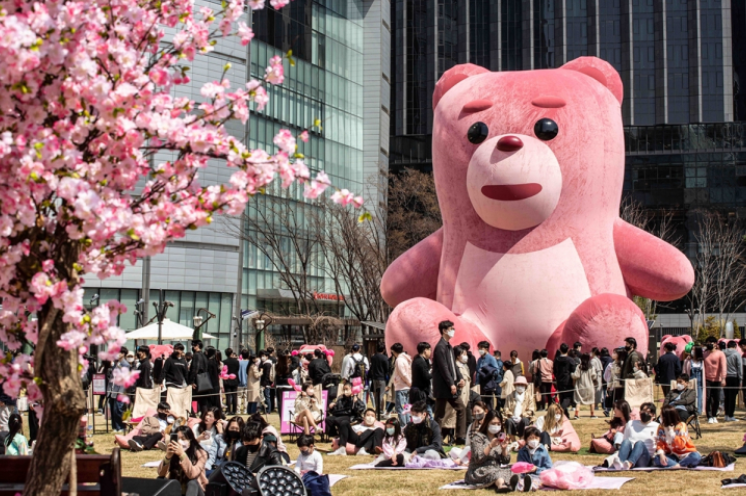
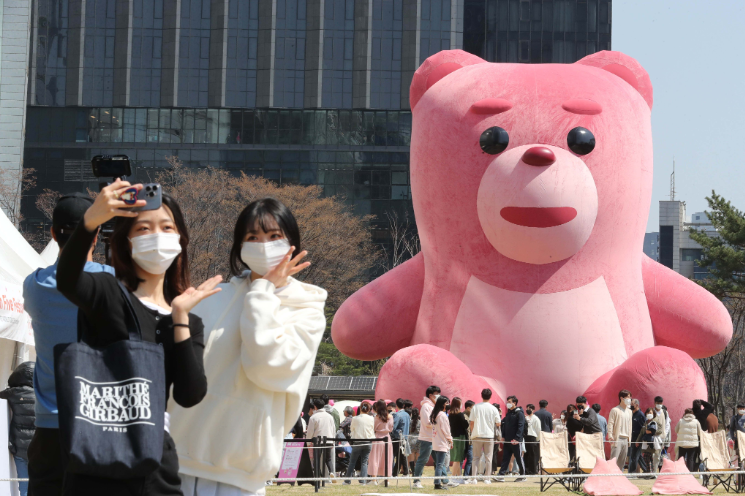
On that day, an 18-meter-tall Bellygom display was installed in the plaza in front of the tower. Over two days, 550,000 people visited—more than 80% above usual. Visitors came for Bellygom but also explored the tower, spending time and money.
Bellygom is a brand-owned character IP created by Lotte Homeshopping. With 1.7 million social media followers and over 300 million video views, Bellygom is featured across events and content, making it a valuable brand asset.
|
|
|
⬇️ Bellygom at Lotte World Tower (Source: Lotte Homeshopping) |
|
|
Character marketing helps brands build loyalty, create fan communities, and even influence buying decisions. Characters are more than cute designs—they are brand-owned character IPs, which a brand can use across products, content, and events.
According to the 2024 Character User Survey by the Korea Creative Content Agency, 68.7% of people say a product’s character affects their purchase, and 81.5% have bought character products. Among consumers in their 20s to 40s, the number is close to 90%, showing how much key buyers love characters.
Many brands are now focusing on creating their own character IPs. But in Korea, success stories are still rare. Many characters are launched, but most fail to stick in consumers’ minds and quietly disappear. That’s why Lotte Homeshopping’s Bellygom stands out—a clear success and a valuable lesson for brands looking to make character marketing work in Korea.
|
|
|
The Birth and Impact of Bellygom
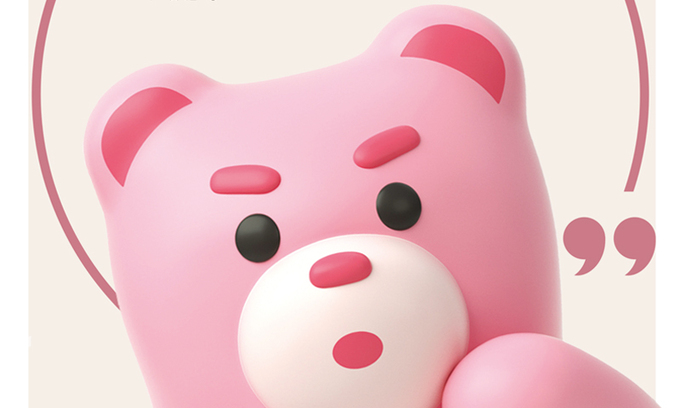
Bellygom is a big, pink, and super cute bear. Normally, it’s 2.2 meters tall, but on special occasions, it grows into a giant 18-meter-tall version. Its size and adorable look make everyone want to take photos.
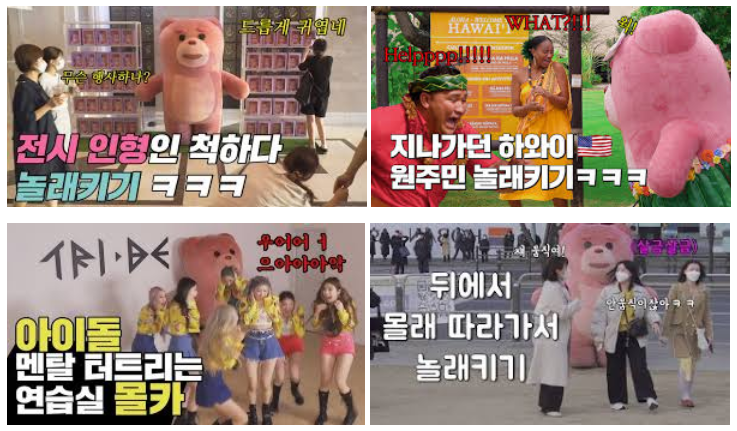
Bellygom also loves playful pranks. In crowded spots, it stays still and then surprises people who come to take pictures. Videos of these moments quickly went viral on social media.
As more people wanted to meet Bellygom in person, it started touring across Korea. Today, Bellygom has even reached the U.S., Germany, Japan, and the UAE, winning fans around the world.
|
|
|
⬇️ Bellygom’s Pranks (Source: Bellygom YouTube) |
|
|
Bellygom was created in 2018 through Lotte Homeshopping’s in-house venture program. At the time, the company wanted to attract younger MZ-generation viewers, moving beyond its traditional middle-aged TV audience. They saw character marketing as a way to earn revenue and use characters as ad models to draw in younger audiences. Past successes like ‘Rubber Duck’ (2014) and ‘Super Moon’ (2016) also gave them confidence.
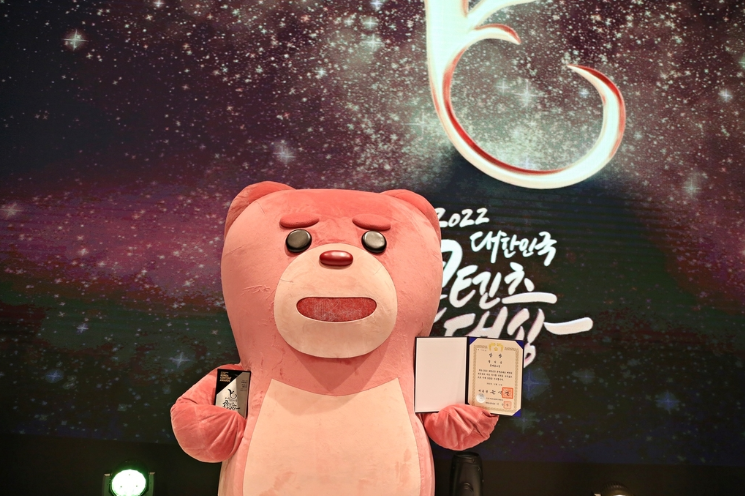
Today, Bellygom has grown into a standalone character, independent of the brand. Public exhibitions attract tens of thousands to millions of visitors, and in 2024, merchandise and licensing sales alone reached 20 billion KRW (~$15M USD). Bellygom’s influence was recognized in 2022, when it won the Presidential Award in the Character category at the Korea Content Awards—a rare honor, as this award usually goes to broadcasters or animation studios.
|
|
|
⬇️ Bellygom Wins Presidential Award at Korea Content Awards (Source : Lotte Homeshopping) |
|
|
3 Keys to Bellygom’s Success
Bellygom’s popularity comes down to three factors: pure fun, direct interaction, and an experimental approach.
1) Pure Fun – Sparking interest without advertising
When Bellygom first appeared, people thought it was just a personal YouTube channel. The videos never mentioned a brand or product. They focused on the character’s playful pranks and fun actions, surprising people in public spaces and following MZ-generation trends. Because the content didn’t feel like advertising, people started seeing Bellygom as a meme-like, independent character rather than a brand mascot.
Lotte Homeshopping officially revealed Bellygom as their own character in April 2022, during Lotte Tower’s 5th anniversary. By then, Bellygom already had over 1.1M social media followers. Keeping the brand connection hidden for over three years helped Bellygom build its own identity.
Separating the character from the brand early on was a smart move. Brand-heavy content can make people skeptical and break immersion. If a character gets negative attention, it can also hurt the brand. By focusing on fun and engaging content, Bellygom captured audiences while minimizing brand risk.
|
|
|
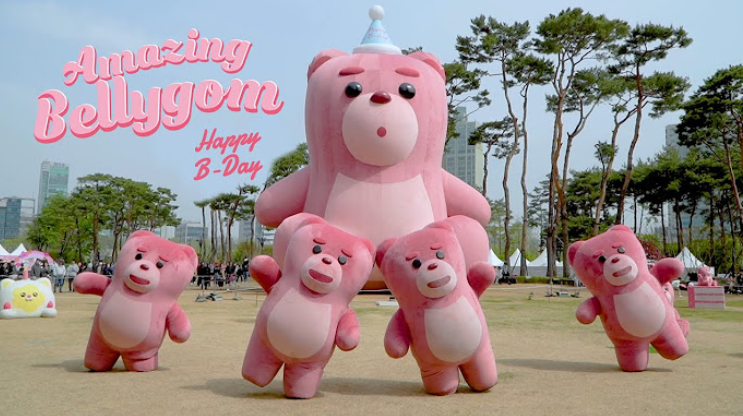
⬇️ Bellygom Dance Performance (Source : Bellygom YouTube) |
|
|
2) Direct Interaction – Surprise moments in everyday spaces
Bellygom didn’t stay online—it appeared in real-life spaces where people go every day. Airports, subways, shopping malls, and baseball stadiums became stages for unexpected fun. At a subway station, for example, people helped Bellygom escape an elevator—creating laugh-out-loud moments that made the character even more lovable.
Bellygom acted like a living personality, not just a static image. It held book signings, learned and performed trending dances, and toured amusement parks taking photos with fans—just like a real celebrity. This brought the character’s world to life. People started seeing Bellygom as a living presence in daily life, not just a brand mascot.
These offline activities naturally encouraged photos and videos, spreading quickly on social media. On event days—like pop-ups or large installations—thousands of photos were shared and hashtags exploded. Sharing these moments helped Bellygom become a character you could meet both online and offline. This hands-on experience built strong intimacy, boosting Bellygom’s recognition and popularity.
|
|
|
⬇️ Selfie with Bellygom (Source: Maeil Business Newspaper) |
|
|
3) Experimental Approach – Shaping the character through audience feedback
Bellygom’s first two years went almost unnoticed. Even with weekly content, reactions were small and the fanbase was tiny. But Lotte Homeshopping stayed focused on fun content and kept experimenting. They invested in Bellygom’s charm and personality, rather than chasing quick commercial gains.
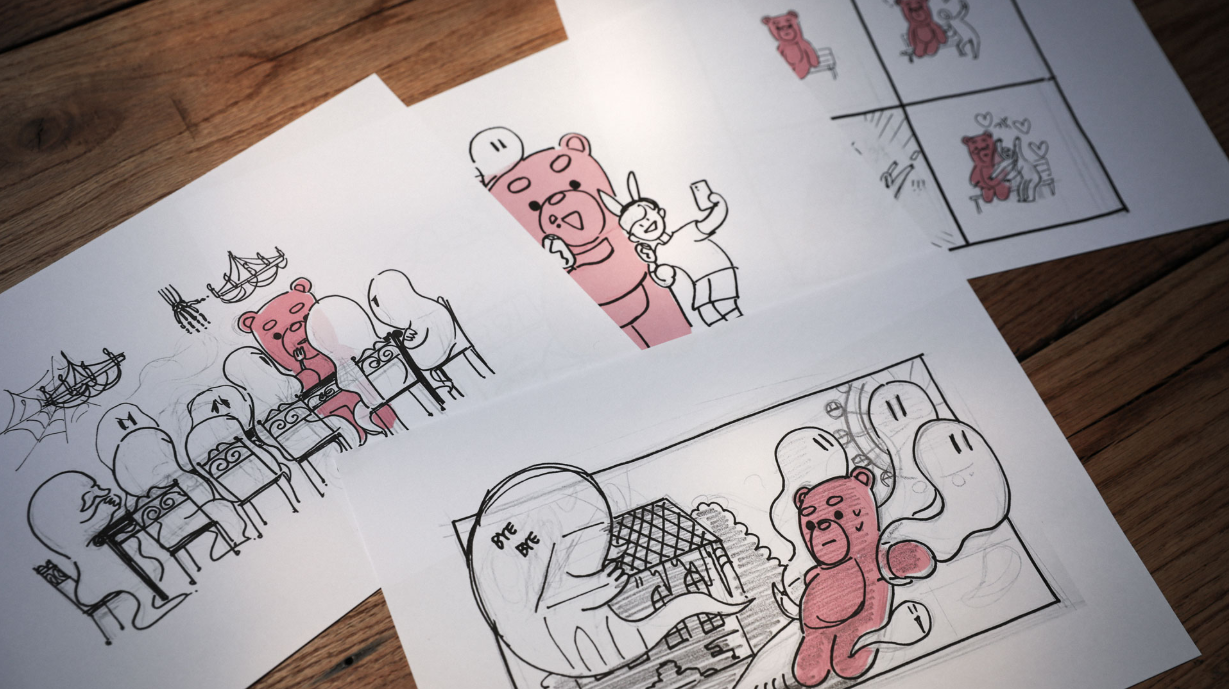
Gradually, hidden-camera style videos gained attention. This helped define Bellygom’s world and personality:
- Born in an empty haunted house, instinctively surprising people.
- Has thick fingers, often making typos on social media.
- Wiggles arms and legs when people are happy after being surprised.
These details turned Bellygom from a simple bear into a character with story and personality.
Combining Bellygom’s world with hidden-camera videos boosted engagement. One video, “GIANT TEDDY BEAR GIVES SNACK TO UNSUSPECTING DELIVERY DRIVERS,” hit 3 million views. YouTube subscribers then grew quickly: 70K in 2020 → 200K in 2021 → 480K in 2022. By experimenting and observing audience reactions, the team let the character evolve naturally. This approach was key to Bellygom’s success.
|
|
|
⬇️ Bellygom Storyline Guide Materials (Source: Brandon Pictures) |
|
|
💡 Key Takeaways for Brands Using Original Character IPs |
|
|
1️⃣ Keep the brand and character independent
A character IP doesn’t always help the brand directly. It acts as a bridge between the brand and consumers. If it’s unknown or too similar to the brand, its impact is limited. Lotte Homeshopping kept Bellygom separate for over three years, focusing on building recognition first. Only after it became a standalone character did they use it as a brand asset. Launching it as a brand mascot from the start could have limited its value.
2️⃣ Familiarity builds affection and fandom
A cute character alone doesn’t guarantee success. What matters is frequent, natural exposure without obvious advertising. Repeated encounters build familiarity, which grows into liking and fandom. Brands should show the character across content, events, merchandise, and social media. For example, Bellygom interacted with people offline weekly, and those moments shared online turned casual encounters into lasting affection.
3️⃣ Take a long-term view and manage consistently
Original character IPs take time to succeed. Without recognition, sales impact is limited. Self-made characters need long-term care—monitor content, events, and audience feedback, and adjust as you go. Bellygom had slow early results, but consistent activity and experimentation turned it into a valuable brand asset. For quick wins, a collaboration with a popular character IP works better. |
|
|
Enjoyed this newsletter?
📬 Subscribe now!
We’ll be back with the next issue.
See you on Wednesday, December 17!
We’d love your feedback!
|
|
|
Want to Share This Newsletter?
Just copy and paste the URL below
|
|
|
EDWORK
hello@edwork.jp | 4F, Tower B, 50, Jong-ro 1-gil, Jongno-gu, Seoul, 03142
|
|
|
|
|