📬 Deep Dive Korea Vol. 9
In Japan, Montbell is extremely popular. It keeps growing every year.
But in Korea? It has been losing money for over 10 years—even with big financial support.
Same brand, different results. Why?
Check out DDK's latest brand insights here!
|
|
|
Why Montbell Failed in Korea (but wins in Japan)
|
|
|
1. Montbell Japan: The Secret to Success
① The "Montbell Club": Creating 1.2 Million Fans
Montbell Japan’s biggest strength is its membership program, the "Montbell Club." Started in 1986, it is more than just a rewards program. It supports the customers' outdoor life. Members receive the OUTWARD magazine and get discounts at over 2,300 locations across Japan.
Even with an annual fee, the club has over 1.2 million members. The loyalty is amazing:
-
In the last 3 years, 200,000 new members joined.
-
The renewal rate is over 80%.
These members are not just customers; they are loyal fans who lead Montbell’s growth.
|
|
|
⬇️ Montbell Club (Source: Montbell) |
|
|
② "Function is Beauty": A Philosophy Without Compromise
Montbell began when the famous climber Isamu Tatsuno started making gear for himself and his team. His real-world experience led to two clear design rules:
-
"Function is Beauty"
-
"Light and Fast"
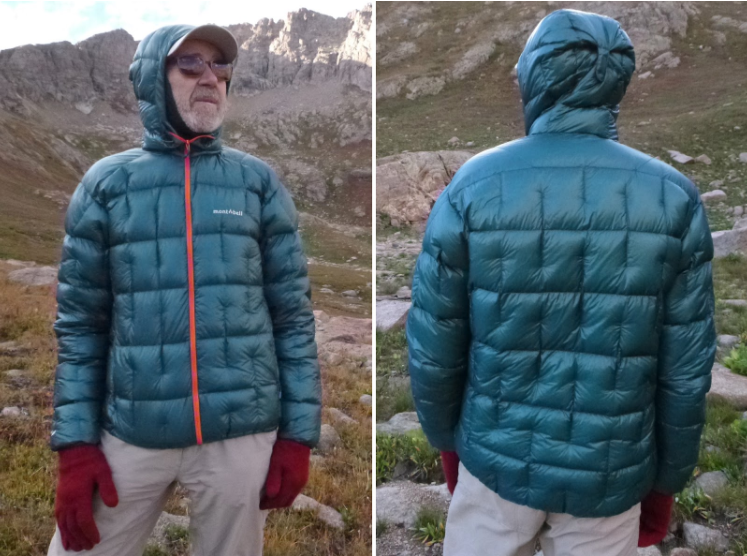
Because of this, Montbell products are known for being ultra-light, high-quality, and practical.
Their pricing is special, too. They use an "honest pricing" method (Cost + Fixed Margin). As a result, their products are 20-30% cheaper than their competitors. |
|
|
⬇️ Montbell’s signature ultralight down jacket, Plasma 1000 |
|
|
③ From "Uncle Fashion" to a National Brand
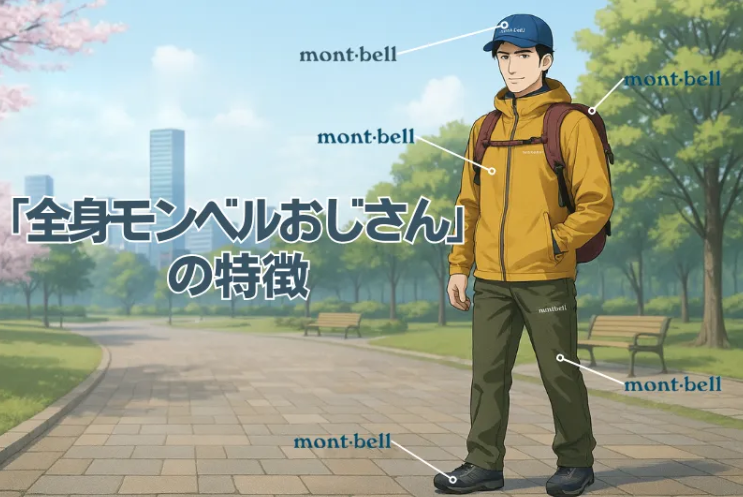
In Japan, Montbell first became famous among middle-aged people (40s and 50s). They loved the high quality and fair prices, often wearing Montbell from head to toe. People even created nicknames for them: "Montbell Ojisan" (Uncle) and "Montbell Obasan" (Aunt).
In the past, young people thought the brand was not stylish. But that image is changing. Now, even the younger generation is becoming fans. They say, "Now that I'm older, I see why Montbell is great." Today, Montbell is loved by all generations, not just older people. |
|
|
⬇️ An illustration of the stereotypical “Montbell guy.” (Source: One-camp.net) |
|
|
④ 15 Years of Non-Stop Growth
Montbell's popularity is proven by the numbers. For the past 15 years, the brand has grown by more than 10% every year. It has never stopped.
The growth is actually getting faster!
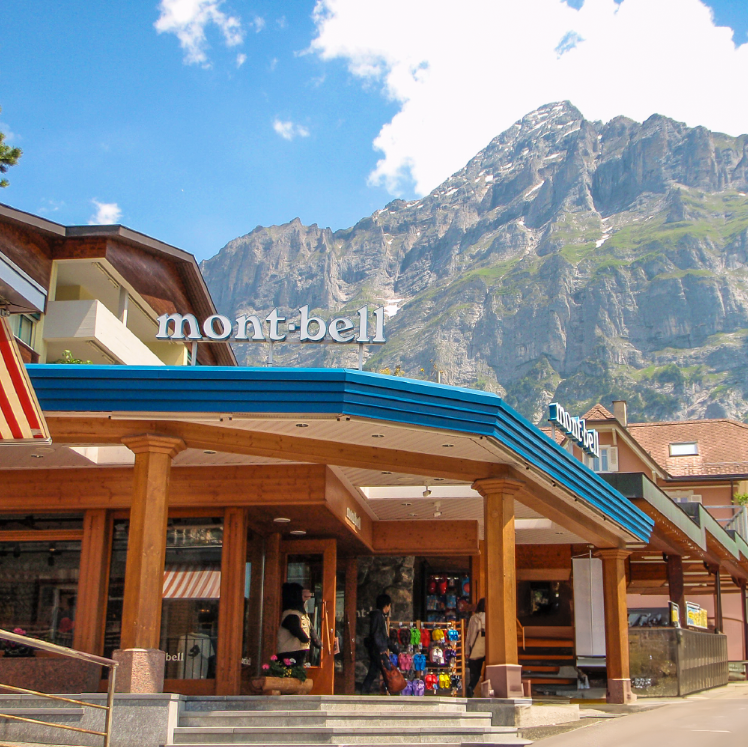
What’s next? Montbell is now going global. They recently updated their online store to ship to over 100 countries, including the US and Switzerland. |
|
|
⬇️ Montbell Store in Switzerland (Srouce: Montbell) |
|
|
2. Montbell Korea: Why Did It Fail?
Unlike the huge success in Japan, Montbell failed to capture the hearts of Korean consumers. When it launched in 2008 with the backing of a major company (LS Networks), the outdoor market was booming. Everyone expected it to succeed.
But the results were terrible.
-
Ranking: Not even in the top 10 outdoor brands.
-
Sales: Dropped to 20 billion KRW (approx. USD 15 million), half of its peak.
-
Profit: Losing money for over 10 years.
The business is in serious trouble. So, what went wrong?
① Copycat Marketing: No Uniqueness
When Montbell entered Korea, the outdoor market was growing explosively. Top brands like The North Face were spending huge amounts of money on celebrity models and TV ads.
Montbell was a latecomer, but it just copied this strategy. It didn't work. Without a strong brand name, doing the same thing as the big players was a mistake. They spent a fortune on marketing but failed to show Montbell's unique charm. This only led to bigger financial losses. |
|
|
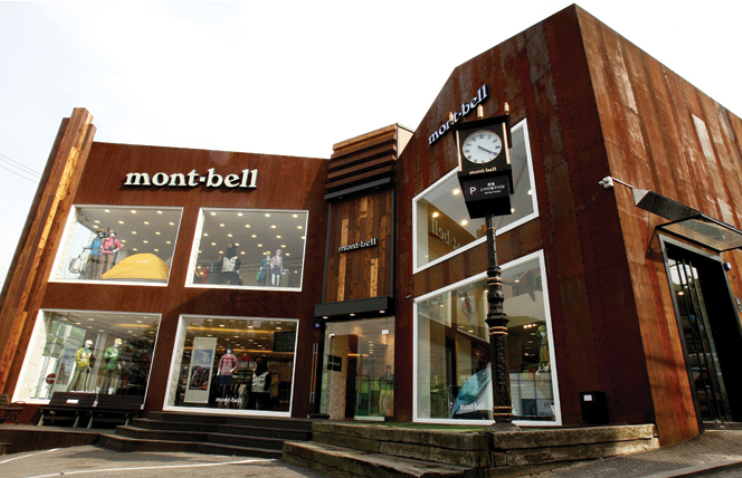
⬇️ Montbell’s first flagship store in Korea, which suffered significant losses |
|
|
② Obsessed with "Short-Term Results" Instead of Brand Soul
For LS Networks (the distributor), Montbell was just one of many brands they managed. When they launched, they set a crazy goal: "Reach 140 billion KRW (approx. USD 100 million) in sales within 3 years." That was 55 times higher than their first-year sales. It was impossible.
To hit this number, they pushed products into stores too fast. Worse, they focused on "fashion trends" instead of Montbell's core strength: "functionality." As a result, the brand lost its unique identity.
In 2016, they tried to go back to Montbell's original philosophy, but it was too late. The damage was already done. |
|
|
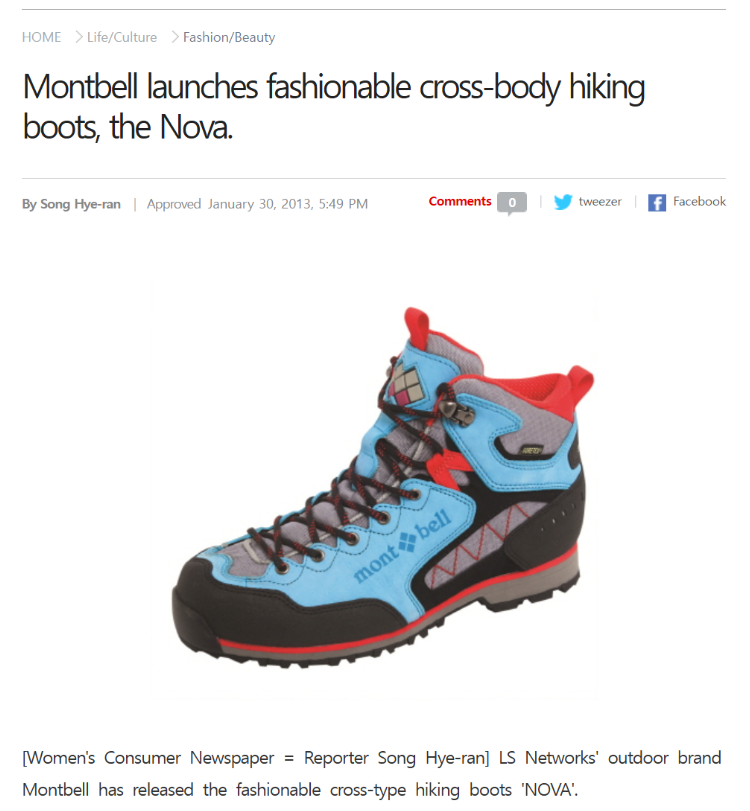
⬇️ Nova, a Korea-exclusive hiking shoe emphasizing fashion over performance (Source: Montbell) |
|
|
③ The Price-Quality Gap: Consumers Said "No"
The biggest reason for the failure was the price. Montbell Korea didn't import the original Japanese gear. Instead, they made their own products locally under a license and sold them at "Premium Prices." This was the complete opposite of the Japanese philosophy ("High Quality, Reasonable Price").
Consumers are smart. They realized the Korean products were different from the originals. It was actually cheaper and better to buy directly from Japan. Eventually, Montbell Korea changed its strategy. Since 2021, they stopped local production and switched to 100% direct imports. Now, they finally match the original standards of the brand. |
|
|
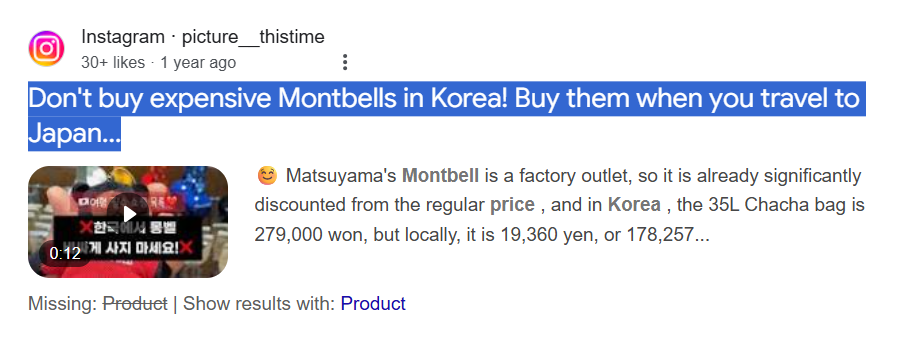
⬇️ Many online posts recommend buying Montbell products directly from Japan |
|
|
💡 Key Lessons for Brand Managers |
|
|
1️⃣ You can copy the name, but not the "Soul."
A logo doesn't make a brand. Montbell Japan succeeded with "Great Function" and "Honest Prices." But Montbell Korea failed by chasing "Fashion" and "High Prices" for quick money. Localization is important, but never lose the "Core Philosophy." If you only borrow the shell without the soul, customers will eventually turn their backs.
2️⃣ Don't just chase trends. Build "Brand Assets."
Recently, Montbell Korea became popular again because of the "Gorpcore" trend (fashionable outdoor gear). But trends always change. Montbell Japan has survived for 50 years because they built trust with practical products that don't depend on trends. True brand assets are loyal customers who stay with you, even when the economy is bad or trends pass.
3️⃣ "Making Money" is more important than "Going Viral."
Being famous online is not the same as business success. Even with high interest from young people, Montbell Korea is still losing money and has too much unsold inventory. Marketing can make things look flashy, but growth without profit is like a sandcastle—it collapses easily. Before trying to go viral, you must fix your "Money-Making Structure" (margins and inventory) first. |
|
|
Enjoyed this newsletter?
📬 Subscribe now!
See you in the next issue on
January 21, 2026!
We’d love your feedback!
|
|
|
Want to Share This Newsletter?
Just copy and paste the URL below
|
|
|
EDWORK
hello@edwork.jp | 4F, Tower B, 50, Jong-ro 1-gil, Jongno-gu, Seoul, 03142
|
|
|
|
|