📬 Newsletter on Korea’s Consumer Market
Deep Dive Korea is your essential newsletter for global brand professionals looking to enter or expand in the Korean market.
Each issue delivers reliable market data, expert analysis of local consumer trends, and real-world case studies on successful localization by leading global brands. No fluff. Just valuable insights to help you make informed decisions.
Published on the 1st and 3rd Wednesday of every month.
Subscribe now and stay ahead in Korea!
|
|
|
📍In this issue
1️⃣ Fast Growing Imported Consumer Goods in Korea - Part 1 Apparel & Fashion Accessories
2️⃣ Inside KITH Korea: How to Build Hype Before You Even Open
3️⃣ Consumer Market News from Korea |
|
|
Fast Growing Imported Consumer Goods in Korea
PART 1 | Apparel & Fashion Accessories👗 |
|
|
What imported products are winning over Korean consumers today?
At Deep Dive Korea, we analyzed the import growth rates of 103 product categories across 11 major consumer goods sectors - including apparel, footwear, bags, home appliances, furniture, toys, and kitchenware.
In this issue, we take a closer look at the apparel and fashion accessories market to see which categories are gaining the most traction.
The Largest and Fastest-Growing Market : Apparel & Fashion Accessories
Apparel is currently the largest imported consumer goods category in Korea. Even more notable is its growth - over the past three years. Apparel imports have grown in market size at an average annual rate of 5.8%, making it the fastest-growing sector among all consumer goods.
Fashion accessories rank second in import volume after apparel. However, unlike apparel, their average annual growth rate is just 1.2%, which is slightly below the overall industry average.
For detailed figures on market size and growth by category, see the chart below.
|
|
|
Polarized Growth Between Premium and Ultra-Low-Cost Segments
The recent growth in Korea’s apparel import market shows a clear polarization.
First, imports of famous luxury and premium brands are increasing. In 2024, sales of 27 global luxury fashion brands with local offices rose by 7% compared to the previous year in Korea. Recently, premium brands like Thom Browne and CK Calvin Klein ended contracts with local distributors to enter the Korean market directly.
At the same time, direct imports of ultra-low-cost Chinese apparel are booming. In 2024, Korean consumers spent over USD 1 billion on AliExpress—a 1.6x increase from the previous year. About 37% of these payments were for apparel and fashion accessories - the highest share among product categories.
Rapid Growth in Imports of Baby and Functional Clothing
The top three fastest-growing apparel import categories are babies’ garments, sportswear (track suits & swimwear), and functional clothing. Over the past three years, their average annual import growth rates exceed 10%. This is more than twice the overall apparel market growth rate.
|
|
|
The increase in baby clothing imports reflects a shift toward premium products in the infant market. Although Korea’s birth rate is declining, parents are showing more interest in providing high-quality items for their children. This growing demand for better products is reflected in the import market.
The rise in imports of sportswear and functional clothing indicates more demand for specialized apparel rather than everyday wear. The running boom and growing interest in community sports—along with unpredictable weather like climate change, fine dust, and extended rainy seasons—have boosted demand for stylish yet functional clothing.
On the other hand, the import market for men’s apparel has shown slower growth. Economic downturns over the past few years have dampened consumer sentiment in Korea. Men’s clothing appears to be the most affected category during these challenging times.
Growing Popularity of Small Fashion Accessories like Eyeglasses and Hats
The fastest-growing imported fashion accessories are eyeglasses, handkerchiefs, and neckties. Hats, caps, shawls, and scarves have also shown strong growth.
On the other hand, imports of traditional accessories such as gloves, footwear, watches, and bags have largely stagnated.
Overall, Korean consumers’ interest is shifting toward smaller, lighter fashion accessories. Additionally, these items tend to be preferred as imports over domestically made products. This may be related to the fact that the domestic industry for items like eyeglasses is still dominated by many small-scale businesses. |
|
|
1️⃣ Clear brand positioning—either premium or value-for-money—is recommended.
Korea’s apparel import market is growing along a polarized consumer trend between premium and ultra-low-cost products.
2️⃣ The more detailed your market approach, the higher your chances of success.
Instead of targeting broad categories like “apparel” or “fashion accessories,” focus on specific product segments by market size and growth rate.
3️⃣ A flexible product portfolio that adapts to consumer trends is useful.
Imports of men’s apparel and traditional fashion accessories are stagnating. Meanwhile, demand is rising for baby clothing, functional apparel, and small items like eyeglasses and hats. |
|
|
Want to learn more about the Korean market?
Contact EDWORK! ↑ |
|
|
Inside KITH Korea: How to Build Hype Before You Even Open |
|
|
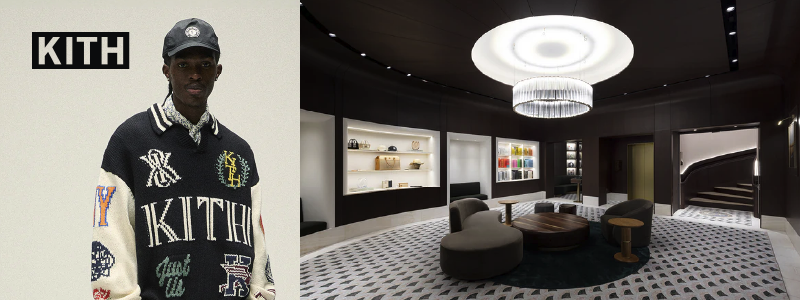
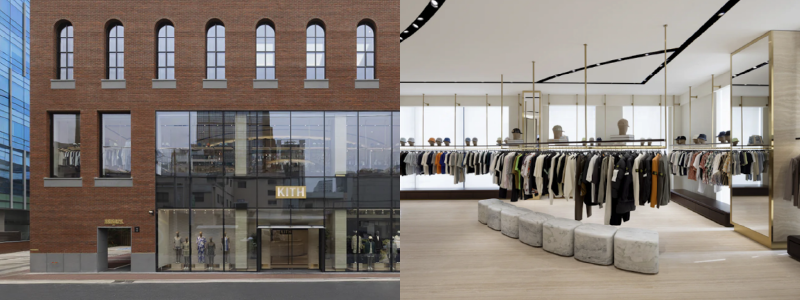
An American fashion and lifestyle brand, KITH, entered the Korean market in May 2024. Since its launch, the brand has rapidly increased its awareness and delivered strong sales results.
This article analyzes how KITH prepared for a successful market entry in Korea.
KITH, The King of Brand Collaborations
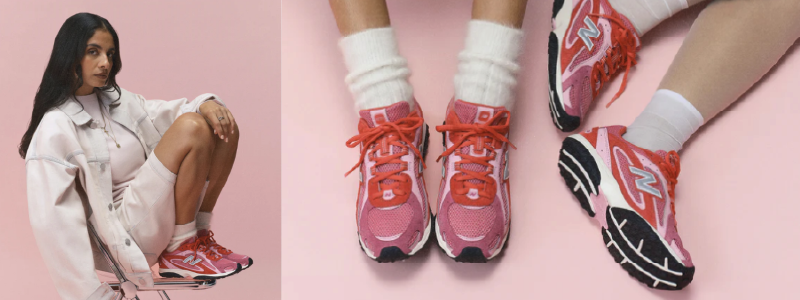
KITH started in 2011 as a sneaker store in New York City. From the beginning, it gained global fame by releasing unique collaboration products with various brands. Not only with sneaker brands like New Balance and Nike, but KITH now collaborates across industries, partnering with BMW, Coca-Cola, Armani, Versace, and more.
KITH operates 20 flagship stores in six countries, including the US, France and Japan. One of these flagship stores opened in Seoul. Even before the Seoul store opened, Korean consumers were highly anticipating the brand. When KITH’s entry into Korea was officially announced, the Korean fashion community proudly celebrated, saying, “Korea is now a KITH-owning country.”
|
|
|
Launch Preparation Focused on a Complete Brand Experience
KITH’s expansion into Korea seems to have started with a proposal from the Korean fashion company Handsome. Since late 2021, Handsome has focused on building its imported brand portfolio by bringing in experienced talent. As part of that effort, KITH was likely identified as a high-potential brand.
The brand’s entry was officially announced in July 2023. The news spread rapidly across fashion communities, sparking strong curiosity among local consumers. Soon after, in-depth articles and blog posts began circulating—highlighting KITH’s identity, values, and what sets it apart from similar brands.
Unlike many global brands, KITH chose to open a flagship store instead of entering through department stores. The flagship store allowed KITH full creative control to tell its story and deliver an immersive brand experience. This decision showed KITH’s commitment to delivering a full brand experience, even if it meant higher upfront costs. |
|
|
Strategic Viral Marketing Built Up Step by Step
In May 2024, ahead of its Seoul store opening, KITH rolled out three key marketing tactics over just 10 days. |
|
|
The first was a campaign featuring BLACKPINK’s Lisa, a celebrity widely recognized by Korean consumers. The campaign gained rapid traction through entertainment and fashion media, as well as official press releases—quickly spreading across major online communities. This exposure helped KITH reach a broader Korean audience, including many who had never heard of the brand before.
|
|
|
The second tactic was launching exclusive, limited-edition products available only in Seoul. KITH reimagined iconic symbols of Korea and Seoul through its unique design perspective. A highlight was a collaboration with Jinro Soju, a beloved local liquor brand, which added a familiar cultural touch to the collection. News of these playful releases quickly spread across Korean online communities, sparking even more interest in the brand.
|
|
|
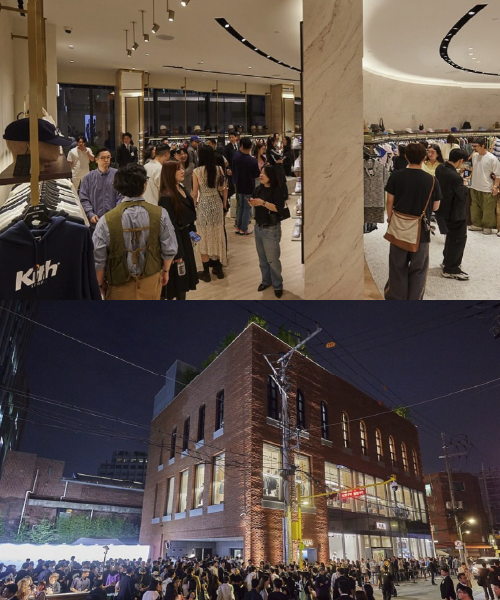
Finally, on the day before the store opening, KITH held an exclusive pre-opening event. About 500 guests attended, including celebrities and fashion influencers—all personally invited by KITH. Inside the flagship store, a DJ played music while guests enjoyed drinks and finger foods, creating a lively party atmosphere late into the night. Influencers freely explored the space and shared their experiences on social media, tagging each other and spreading the buzz in real time.
|
|
|
Results Backed by Thorough, Strategic Preparation
KITH’s launch campaign in Korea has been widely recognized as a great success. This is evident from several key indicators.
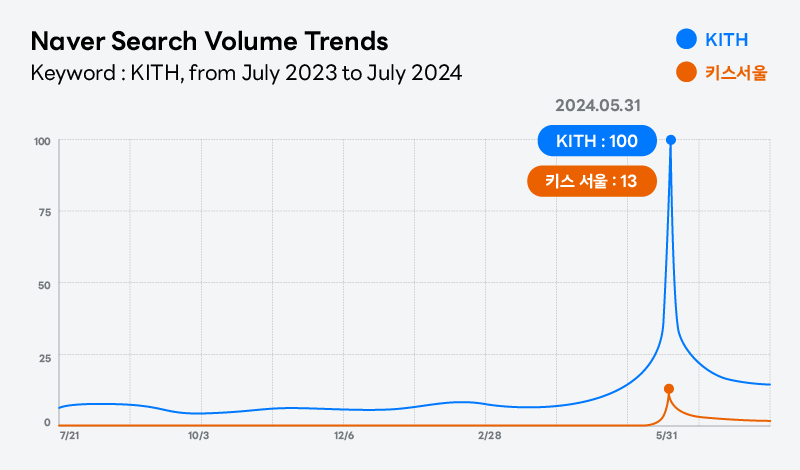
KITH went beyond creating online buzz—it sparked real consumer action. Around the store opening, online search volume soared to about 30 times the usual average. On opening day, over 700 people queued for entry, with some waiting as long as 14 hours.
Fortunately, KITH maintained this strong momentum after the launch. One article reported that more than 400,000 visitors came to KITH Seoul in the first year—an average of about 1,000 visitors per day. Additionally, an analyst report confirmed that KITH Seoul comfortably met its initial sales targets. |
|
|
1️⃣ Premium brands must deliver a unique and authentic brand experience.
Korean consumers are attracted to foreign brands because they seek an exotic and immersive experience. In this context, KITH’s choice to open a flagship store—rather than entering through a department store—was an excellent decision. It allowed the brand to express its world in a sensory and distinctive way.
2️⃣ Marketing communications must be managed in a streamlined way to create real impact.
KITH executed a well-timed, multi-channel campaign, including pre-launch deep-dive articles and blogs, celebrity endorsements, limited-edition product releases, and invitation-only pre-opening events. This strategic approach generated strong marketing results.
3️⃣ Brand messages are most effective when they spread organically from the consumer’s perspective.
Korean consumers tend to trust messages from peers or influencers more than direct brand communications. Instead of relying solely on its own promotions, KITH used an invite-only pre-opening party to encourage influencers to share authentic experiences and promote the brand in their own voices. |
|
|
Want to boost your local marketing impact?
Contact EDWORK! ↑ |
|
|
Consumer Market News from Korea |
|
|
|
In the first half of 2025, the sports and outdoor apparel market experienced double-digit sales growth, led by brands like Descente and Fila, fueled by a running craze. With consumer sentiment expected to improve in the second half, further sales growth is anticipated. Meanwhile, golf wear, women's wear, and men's wear struggled due to weak demand and remained stagnant. Industry players are expected to pursue rebranding efforts to rejuvenate these sluggish segments.
US premium athleisure brand Alo Yoga opened its first Asian flagship store in Seoul, choosing it over Tokyo as a strategic hub. This decision reflects the global influence of Korean culture and the rapid growth of Korea’s athleisure market. The store includes a yoga studio and lounge to enrich the brand experience. Alo Yoga plans to establish a Korean subsidiary and expand into department stores to strengthen its local presence.
Tech-savvy middle-aged shoppers with strong purchasing power are emerging as key consumers. As shoppers in their 40s and 50s shift from department stores to convenient online platforms, fashion marketplaces are expanding their transaction volumes. Apparel companies are increasing research efforts to understand the fashion trends and lifestyles of this demographic.
Imports of Chinese-made clothing hit record highs in the first half of 2025. Cases of Chinese garments being relabeled as domestic products are on the rise, causing market disruption. The rapidly growing C-commerce platform Shein nearly quadrupled its domestic user base this year, quickly challenging local platforms like Ably and Zigzag.
Lotte and Hyundai Department Stores announced plans to buy back brand-name used clothing from customers. High-end department stores are entering the booming secondhand apparel market, which is growing at an annual rate of about 30%. This move is seen as a strategy to attract customers through the growing resale market. |
|
|
Helpful?
Don’t forget to subscribe!📬
DDK will be back on Wednesday, August 20 - See you then!
We’d love your feedback!
Tell us what you liked (or didn’t)
|
|
|
Want to Share This Newsletter?
Just copy and paste the URL below
|
|
|
EDWORK
hello@edwork.jp | 4F, Tower B, 50, Jong-ro 1-gil, Jongno-gu, Seoul, 03142
|
|
|
|
|